
Raptor Lake CPU demand surge driven by DDR5 prices
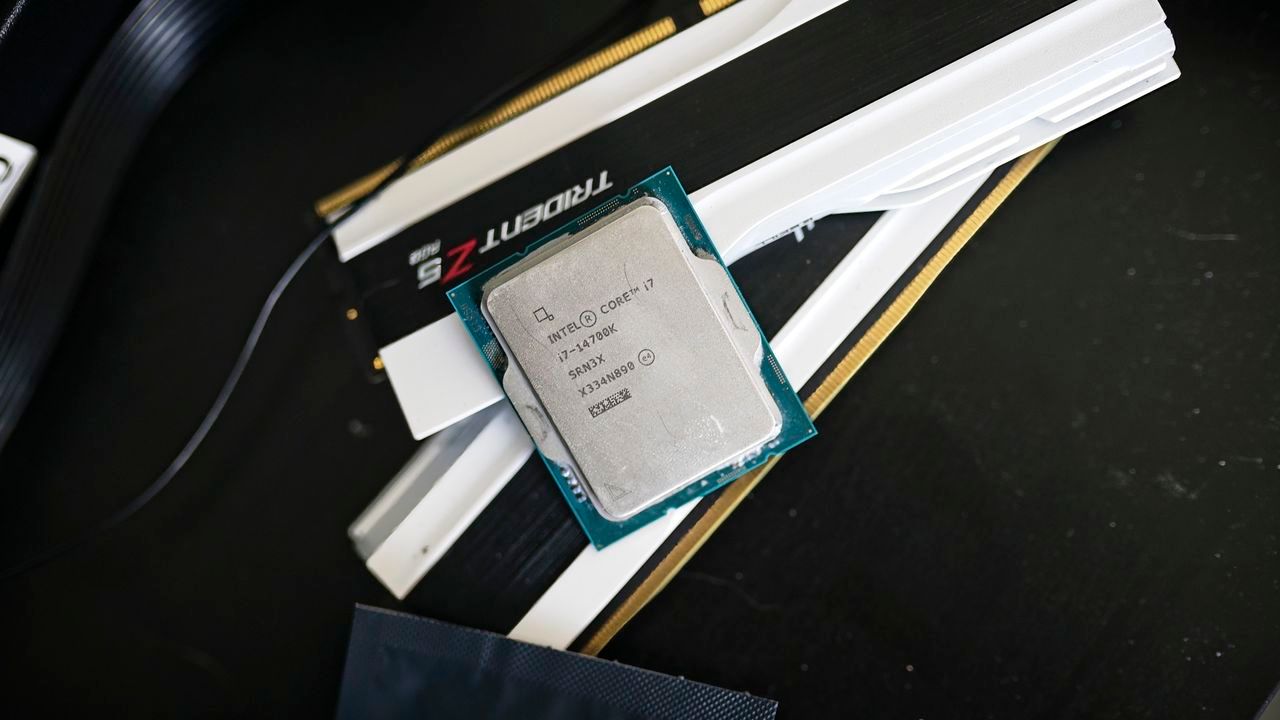
Intel’s roadmap is in full swing, and amidst the current whirlwind of supply shortages and soaring prices, the company is making some fascinating shifts regarding its flagship CPU architecture. According to Robert Hallock, vice president and general manager of Intel’s enthusiast channel business, the Raptor Lake architecture is set to remain a core part of Intel’s portfolio for years to come.
This stability isn’t just an abstract promise; it’s a pragmatic response to market realities. Instead of abandoning existing technology, Intel is focusing on smoothing out supply and pricing inconsistencies across its product lines. The goal, Hallock suggests, is to ensure that the value proposition remains strong, even as the broader industry navigates volatility.
Raptor Lake CPUs continue to hold their ground among the best options for gaming performance, a position bolstered by the continued strength of DDR4 platforms. While newer technologies like DDR5 are pushing boundaries, the historical performance and cost-effectiveness of Raptor Lake remain compelling, especially when comparing it against the current price demands of high-end memory.
The recent upheaval in the market highlights just how volatile the ecosystem has become. The combination of unprecedented demand for CPUs, coupled with skyrocketing DDR5 prices, created significant inventory and pricing wobbles. For example, powerful chips like the Core i5-14600K and Core i7-14700K saw their retail prices climb dramatically over the past year, moving from being highly competitive to facing new market realities.
Hallock points out that this sudden surge in demand—a collective desire for the fastest available hardware at a reasonable price—was not anticipated when chip wafers were first initiated. This unpredictability forced manufacturers to recalibrate supply, leading to unexpected shifts in availability and cost.
Interestingly, this volatility has spurred a fascinating return to older standards. As motherboard manufacturers responded to the memory crisis, they began increasing production of LGA 1700 boards that supported DDR4 memory. This move allowed the ecosystem to leverage existing infrastructure, effectively ensuring that Raptor Lake CPUs could thrive on established platforms.
This reliance on DDR4 is more than just a temporary fix; it reflects a sustained architectural choice. Comparisons across recent benchmarks show that while newer systems offer incremental gains, DDR4 still provides a robust foundation for demanding applications and gaming, often proving to be the major performance bottleneck compared to faster memory technologies.
Looking ahead, Intel is clearly planning for future iterations. The company is gearing up for “Raptor Lake Next,” which signals another potential refresh cycle aimed at maintaining innovation without abandoning proven designs. Simultaneously, there are specialized lines, such as Bartlett Lake processors, focused strictly on P-cores, catering to embedded applications rather than the mainstream enthusiast desktop market.
Ultimately, Intel’s strategy appears rooted in resilience. By committing to the 10nm process and providing stable options like Raptor Lake and planned future iterations, the company is balancing cutting-edge development with pragmatic supply management, ensuring that performance remains accessible as the industry continues to evolve.
Buy on Amazon
Credit

