Skeleton obliterated by trebuchet first confirmed case
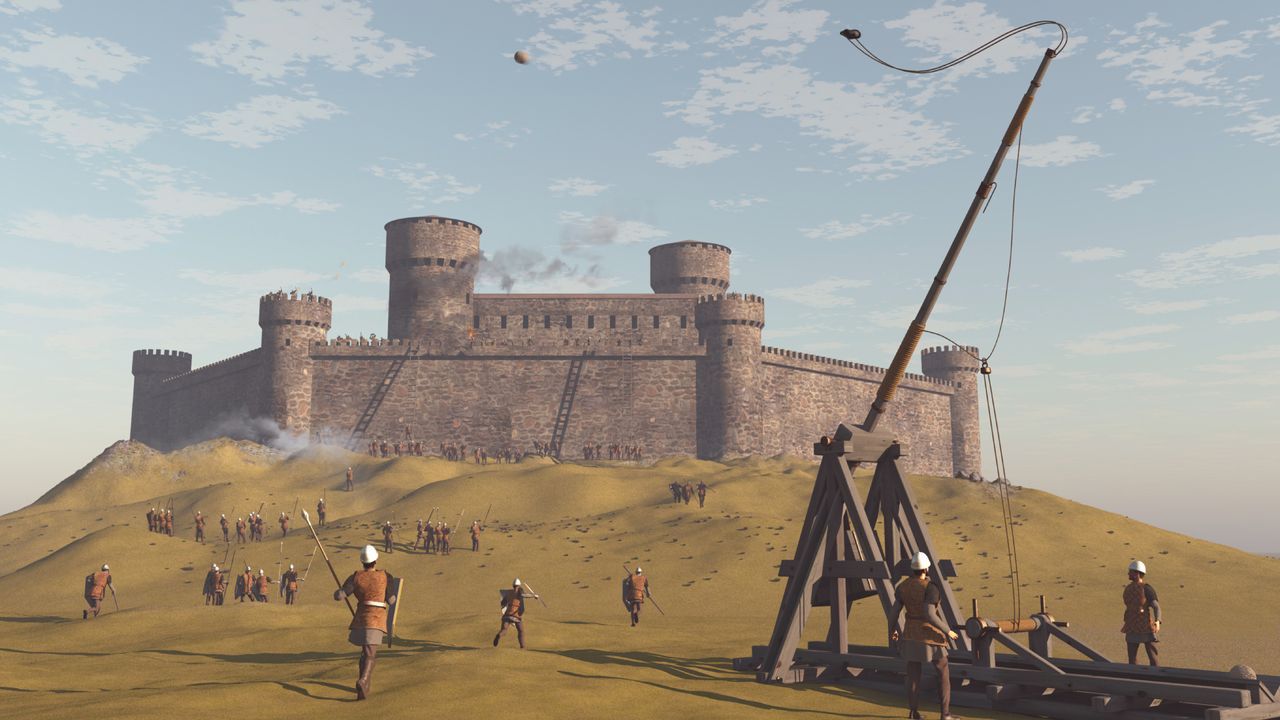
In the world of medieval gaming, there is a certain thrill in wielding the art of applied physics—the satisfaction of hurling half-ton boulders using a trebuchet. But history occasionally intervenes with stark, brutal reality, reminding us that the most powerful forces in warfare are not just stone and steel, but sheer destructive energy.
Recently, researchers have unearthed evidence of this collision between fantasy and fact. During excavations beneath Stirling Castle in Scotland in 1997, five skeletons were discovered in a location that suggests they may have died during the castle’s tumultuous siege at the close of the 13th century. Among these remains was Skeleton 150, a testament to unimaginable violence.
The physical evidence tells a horrific story. Skeleton 150 bore the scars of a devastating impact, suffering over 160 fractures. The injuries included a ruined leg, a massive break through the shoulder, dozens of unusual breaks across the ribs, and 61 distinct fractures across the skull. It was not the result of a simple fall; it was the aftermath of an explosion.
Bioarchaeologist Jo Buckberry examined these remains, noting that the pattern of damage strongly suggested external force traveling at great velocity. She compared the injuries to modern accidents involving trains and car crashes, prompting a profound question: how could such trauma occur in medieval Scotland?
The answer points toward the siege engines of the era. Buckberry theorized that the violence suffered by Skeleton 150 was likely caused by a trebuchet, the counter-weighted siege weapon that had revolutionized warfare just a century earlier. The English forces besieging Stirling Castle in 1304 employed a particularly formidable machine known as the Loup-de-Guerre, or The War Wolf.
Accounts from historical records describe these massive missiles piercing walls with terrifying force, hitting targets like an arrow through cloth. This description aligns chillingly with the impact indicated by Skeleton 150’s wounds, which suggested a large area of devastation caused by a single, catastrophic strike from a siege engine.
The remains of Skeleton 150 stand not just as archaeological finds, but as a visceral reminder that even in the age of epic fantasy, the brutal physics of medieval warfare left an undeniable mark. It is a somber yet powerful lesson about the true cost of conflict and the terrifying power unleashed by applied science.
Buy on Amazon
Credit