
SSD price hikes predicted as NAND supply lags demand
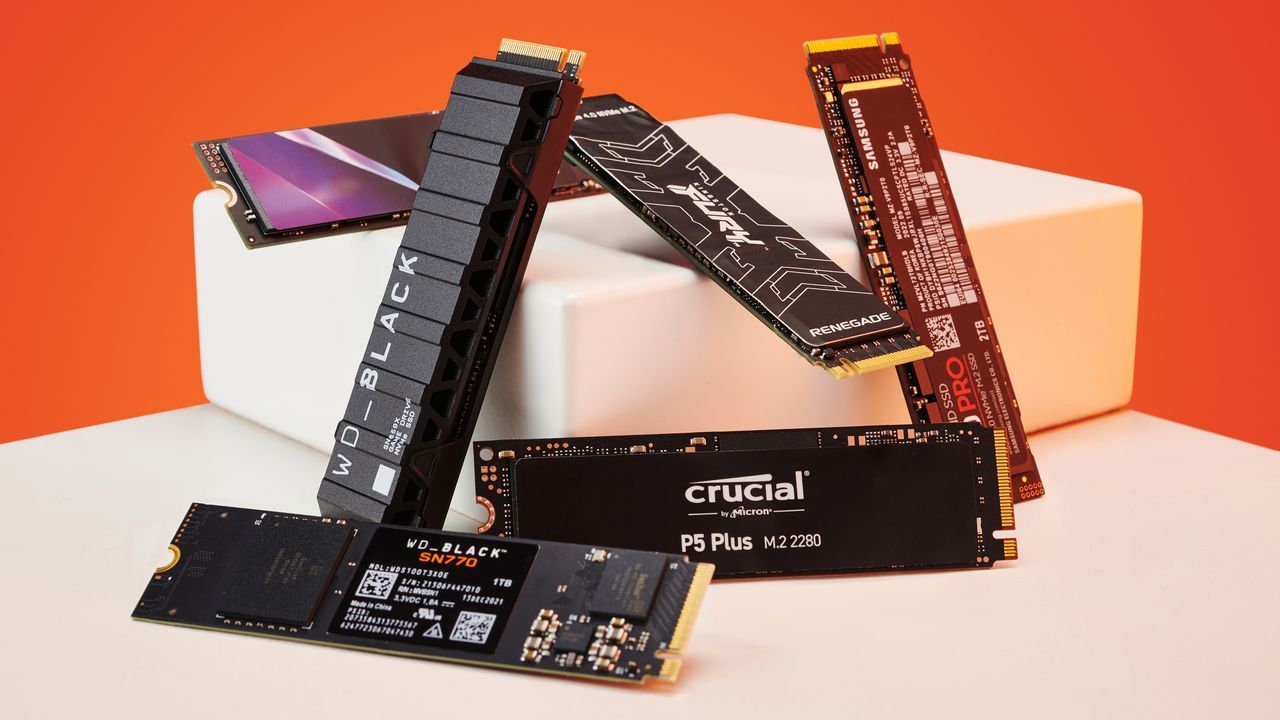
The relentless march of artificial intelligence is reshaping our world at lightning speed, fueling a massive appetite for processing power and data storage. But beneath the dazzling surface of AI innovation lies a sobering reality for consumers: the hardware supply chain is facing a bottleneck that is set to keep prices stubbornly high, well into the future.
At the heart of this crunch is the scarcity of memory and storage components. While the demand for AI infrastructure is skyrocketing, the physical capacity to produce the necessary components is struggling to keep pace. This tension is not just affecting high-end data centers; it is creating a supply crisis that directly impacts the average consumer.
Phison, a key player in the memory landscape, has weighed in on the grim outlook, offering a clear perspective on the timeline for recovery. The CEO, Pua Khein-Seng, forecasts that NAND flash prices will continue to climb because it will take a full four years for new production capacity to catch up with demand—a timeline stretching toward 2030 and beyond.
This extended lead time highlights the monumental challenge of manufacturing. Even as companies initiate massive investments in new NAND-producing facilities, there remains a significant gap between planning and actual supply. New production lines do not appear overnight, meaning the fruits of these long-term investments will still be some time away from reaching the market.
The pressure is compounded by the nature of AI demands. While concerns about DRAM supply might find some relief with the development of lighter, more efficient AI models, the sheer volume of data that AI servers require for training and operation mandates massive storage solutions. The need to store this colossal amount of data means the storage bottleneck is inextricably linked to the memory shortage.
For the end consumer, the implications are stark. While the market is dynamic, these supply constraints suggest that seeing a significant improvement in retail SSD prices anytime soon is unlikely. Despite the expected growth in AI demand, the current production reality points toward continued price pressure.
In response to these difficult market conditions, companies are shifting their focus. Phison is reportedly redirecting resources away from the retail market to concentrate more heavily on enterprise solutions and the booming AI sector. It is a clear signal that the focus is moving from immediate consumer gratification to long-term industrial needs.
Ultimately, the story of the memory and storage crisis is a reminder that technological advancement, while thrilling, is tethered by the physical constraints of global manufacturing. As the world transitions into an AI-driven future, the challenge now lies not just in developing smarter algorithms, but in successfully managing the complex supply chains required to power them.
Buy on Amazon
Credit