
Brighter OLEDs still risk burn-in
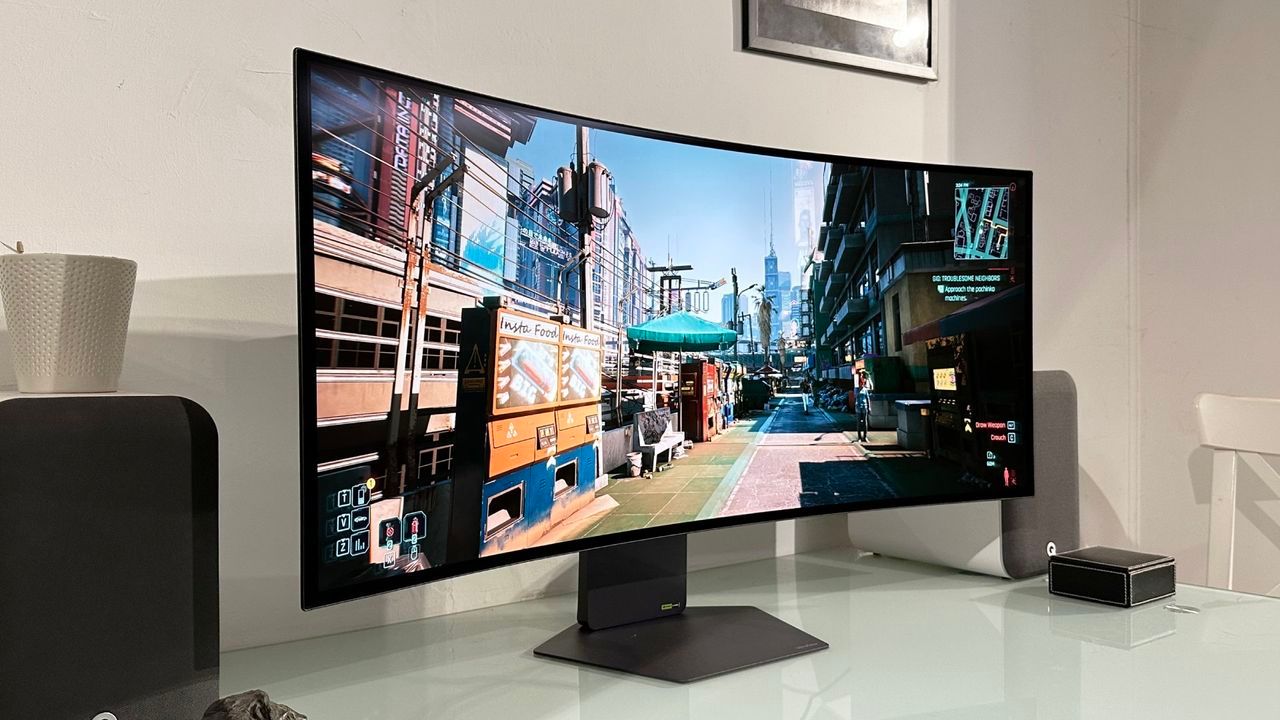
When you invest in an OLED television or gaming monitor, a shadowy fear often accompanies the excitement: burn-in. The concern is real—the idea that static images, like channel banners or game HUDs, could permanently etch themselves into the screen. While modern displays have certainly improved their ability to resist this phenomenon, the reality of long-term viewing remains a complex balancing act between cutting-edge technology and practical display limitations.
A recent deep dive into the performance of OLED TVs manufactured between 2020 and 2023 offered some disappointing news regarding burn-in mitigation. Long-term testing did not reveal a significant reduction in burn-in compared to older models, suggesting that simply updating the panel technology wasn’t enough to solve the problem.
The main culprit appears to be screen brightness. The newer panels are significantly brighter than their predecessors, which creates a stalemate when it comes to burn-in avoidance. In tests simulating long exposure to static content, the increased luminosity seems to offset any potential gains in resistance.
Specifically, the tested 2023 OLEDs were found to be considerably brighter—up to 52% brighter in a sustained full-screen test compared to 2017 models. This higher brightness level means that the cumulative stress of long usage, even under extreme “worst-case scenario” conditions, still leaves a mark.
For instance, in a demanding test involving thousands of hours of non-stop static viewing, static banners still managed to imprint themselves onto the display to a noticeable degree.
However, this data doesn’t mean doom for OLED users. One crucial takeaway is the power of adjusting settings. The researchers emphasized that testing was conducted at maximum brightness, but the solution lies in managing the display’s output. By lowering the brightness setting, users can reduce the cumulative stress placed on the panel, potentially extending the burn-free lifespan and minimizing noticeable image retention.
While high brightness and low burn-in resistance seem to be at odds, there is a path forward. For viewers who favor static-heavy content, dialing back the brightness is a smart, practical adjustment. This approach allows users to retain usable brightness while managing the risk.
Ultimately, for most mixed-content viewers, the risk of burn-in is unlikely to materialize. The technology is advancing at an astonishing rate, and while precautions remain wise—such as utilizing extended warranties offered by manufacturers—the future of anti-burn-in measures is undoubtedly on the horizon. As OLED technology continues to evolve, we can anticipate even better solutions, allowing us to enjoy stunning visuals without worrying about ghostly afterimages.
Buy on Amazon
Credit

