
DDR5 Memory prices surge 500% 10x the lowest ever
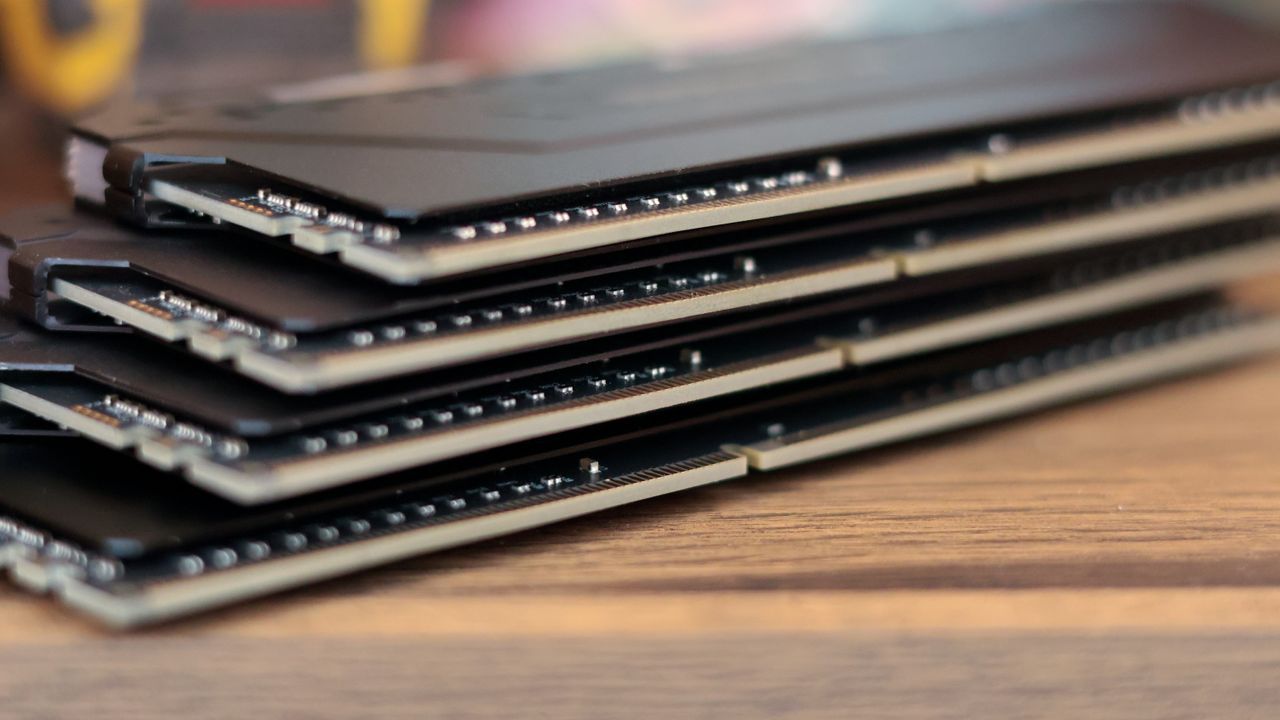
The world of PC building has entered a period of seismic shock, and the culprit is a humble component: memory. What was once a predictable line item in a budget is now an unpredictable, astronomical expense, pushing builders into what some are dramatically calling the RAMageddon.
The story of memory pricing is less about incremental adjustments and more about a catastrophic supply and demand implosion. When we look at the market for DDR5 and DDR4, the reality is stark: in just twelve months, the cost of this foundational technology has exploded, with year-over-year increases nearing 500% for high-capacity kits. This inflation isn’t just a hiccup; it represents a fundamental shift in the semiconductor landscape.
The disparity is most glaring when comparing high-capacity kits. Imagine a standard 64GB kit, which might have cost under $200 just a year ago. Today, similar memory configurations are demanding thousands of dollars. We are seeing prices for DDR5 memory kits, particularly those at high speeds and large capacities, multiply by factors of five or more. For example, a 64GB DDR5-5600 kit that was previously affordable is now priced well over $1,100.
This dramatic escalation is heavily fueled by the massive demand generated by the artificial intelligence boom. Hyperscale data centers and AI infrastructure are consuming memory at an unprecedented rate. Major players in the tech industry are reportedly locking down nearly all global DRAM production capacity for 2027, treating this high-value commodity as a critical strategic asset.
This scarcity affects everyone. While the AI sector commands the lion’s share of the high-end production, consumer builders are left paying the premium for limited supply. The pricing for DDR4 memory, while less extreme than DDR5, is still soaring, reflecting the broader crunch in the memory supply chain.
The scarcity isn’t confined to the PC builder’s desk. Global market indicators confirm that this squeeze is bleeding into other sectors. Reports from European tech sites indicate that average RAM prices across the continent have skyrocketed by over 345% compared to just a year prior, demonstrating a widespread economic pressure on hardware components.
Furthermore, the fundamental supply chain itself is under immense strain. Experts tracking the DRAM market warn that the scarcity is not temporary. Industry leaders are forecasting that memory supply will remain constrained for years, with some estimates suggesting a wait of up to ten years before the market stabilizes. This grim outlook suggests that the era of cheap, plentiful memory is definitively over.
Ultimately, for anyone planning a system build today, the message is clear: the cost of memory is no longer a predictable line item. Builders must navigate an environment where paying a premium is the current reality, forcing a choice between seeking out the best deals or adapting to system requirements that allow for less memory. It is a stark reminder that in the high-demand world of AI infrastructure, even the most essential components are subject to fierce, volatile economics.
Credit