
100% Decompiled GoldenEye N64 unlocks complex mods and ports
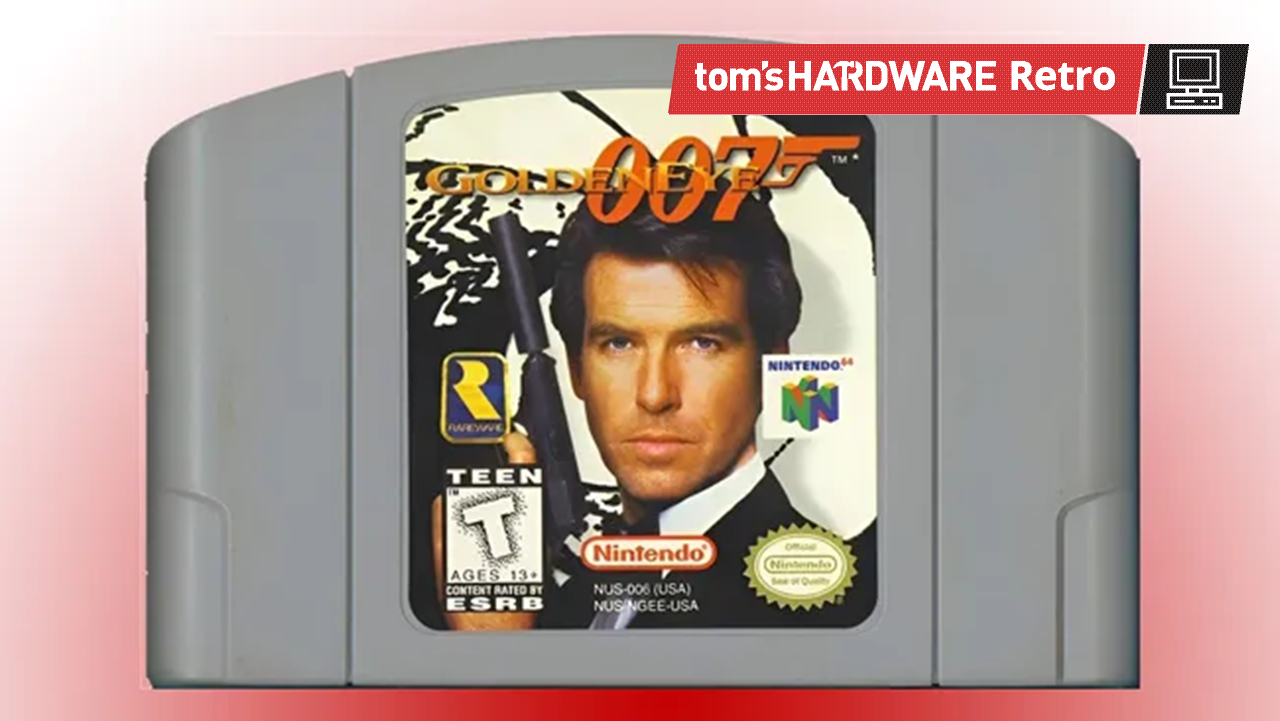
Unlocking the Legacy: How a Retro Gamer Decompiled the Golden Eye
In the world of digital archaeology, some achievements shine brighter than others. Recently, a dedicated reverse engineering and retro gaming enthusiast has achieved a monumental feat: successfully decompiling GoldenEye 007. This half-decade effort, led by KholdFuzion, has officially hit 100% on its GitHub decompilation status page, opening up a universe of possibilities for game developers and enthusiasts alike.
The milestone isn’t just a technical victory; it’s a gateway. Decompiling the source code for this legendary Nintendo 64 title unlocks the potential to deeply explore the original game’s architecture, allowing for complex modifications to the system and the creation of ports to entirely new platforms.
GoldenEye 007, released in 1997, was far more than just a console game; it was a watershed moment in gaming. It introduced fast, thrilling first-person shooting action to consoles and fundamentally broadened the appeal of the run-and-gun genre. Rare managed to transform the formula by rewarding players with tactical depth through features like security cameras, alarms, and silenced weapons, setting a new standard for console gameplay.
Commercially, the game proved its enduring power. It sold over eight million cartridges for Nintendo, cementing its place as one of the console’s biggest sellers. Its influence rippled through the industry, shaping subsequent classics like Perfect Dark and laying foundational DNA for franchises such as Halo and Call of Duty.
The technical challenge of accessing and interpreting the code for a title from that era speaks volumes about the engineering prowess of the time. While the graphics on the Nintendo 64 were stunning—a marvel considering the console’s relatively modest price tag—the underlying programming logic was complex. This reverse engineering project represents a deep dive into the mechanics of 3D rendering and game design from the late nineties.
Now, with this foundational work complete, the focus shifts to the future. While there is always a temptation to create quick ports using artificial intelligence, the community is wisely prioritizing human-built, thoroughly tuned conversions. The goal is not just to port the game, but to refine and reimagine it for modern systems.
This spirit of decompilation fuels a broader trend in retro gaming. We are already seeing compilation projects—like those that convert classic games to native PC ports to leverage modern features like ray tracing and high frame rates—gaining significant traction. The successful deconstruction of GoldenEye 007 serves as a powerful blueprint for these ongoing recompilation efforts, proving that the legacy of classic games is far from dead; it is simply waiting for the next generation of tools to unlock its full potential.
Buy on Amazon
Credit

