
Lenovo LOQ RTX 5060 Review: Display and Performance
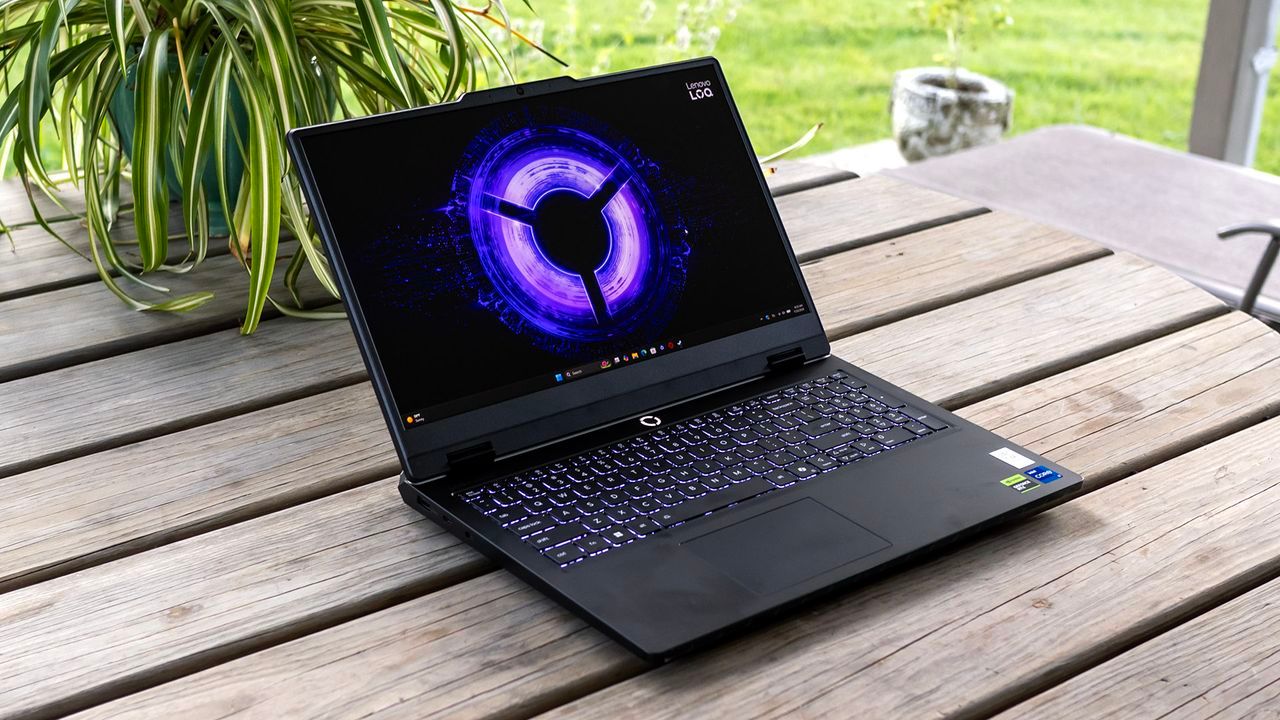
When you enter the world of budget gaming laptops, promises often outshine the reality. The Lenovo LOQ Essentials 15 Gen 11 arrives with a clear mandate: deliver performance essentials without the flashy design frills. It aims to compete directly in the crowded budget market by focusing on core components—an RTX 5060 graphics card, a snappy 144 Hz display, and generous internal upgrade pathways.
On paper, the configuration looks appealing. With an Intel Core i7-13650HX processor, 16GB of fast DDR5 RAM, and a 512GB SSD, it presents a solid foundation for everyday tasks and casual gaming. The aesthetic choice is equally minimalist: the LOQ embraces a no-frills design, opting for durable plastic over premium materials, placing it in a respectable league alongside competitors like Acer and Asus.
The physical footprint is compact and manageable, weighing just 5.07 pounds. While this keeps the laptop practical for daily use at home or school, it means users won’t find the extended travel companionship offered by some lighter rivals. Connectivity is functional—offering standard ports like USB-C, USB-A, Ethernet, and HDMI—but true high-speed connectivity like Thunderbolt 4 remains out of reach at this price point.
Looking at the screen, Lenovo has managed a respectable display. The 15.6-inch IPS panel boasts a smooth 144 Hz refresh rate and anti-glare finish, offering enough color punch for media consumption. While it excels in indoor environments and general use, serious comparison reveals that other contenders offer significantly brighter screens if you are looking for peak visual intensity.
But where the LOQ truly faces its test is in the arena of hardcore gaming performance. Despite sporting an RTX 5060 badge, the laptop is constrained by a strict 65W power limit. This limitation, coupled with an older generation CPU architecture, means that the machine often struggles to unleash the full potential of its hardware when pushed to its limits.
In real-world benchmarks and demanding titles like Shadow of the Tomb Raider or Far Cry 6, the performance gap becomes noticeable. While the LOQ was playable in some scenarios, it consistently trailed competitors equipped with slightly less powerful GPUs but better power delivery systems. This difference is most apparent when comparing frame rates in demanding scenarios, suggesting that while the laptop works, it doesn’t offer the competitive edge expected from its price tag.
For productivity tasks, the older processor found itself lagging against newer rivals in multi-core testing. While the system handled standard file transfers and application launches adequately, overall performance metrics indicated room for improvement compared to those packed into similarly priced machines.
Ultimately, the Lenovo LOQ Essentials 15 Gen 11 is a reminder that specifications alone don’t tell the whole story in the gaming laptop market. It succeeds in delivering a solid package with excellent features like its display and keyboard, but when pitted against rivals who can leverage superior power management, it settles for being a serviceable machine rather than a true performance contender. For those seeking the absolute best value in gaming hardware right now, other options might offer stronger real-world performance.
Buy on Amazon
Credit

