
EU forces Apple to sync iPhone clipboard with Windows
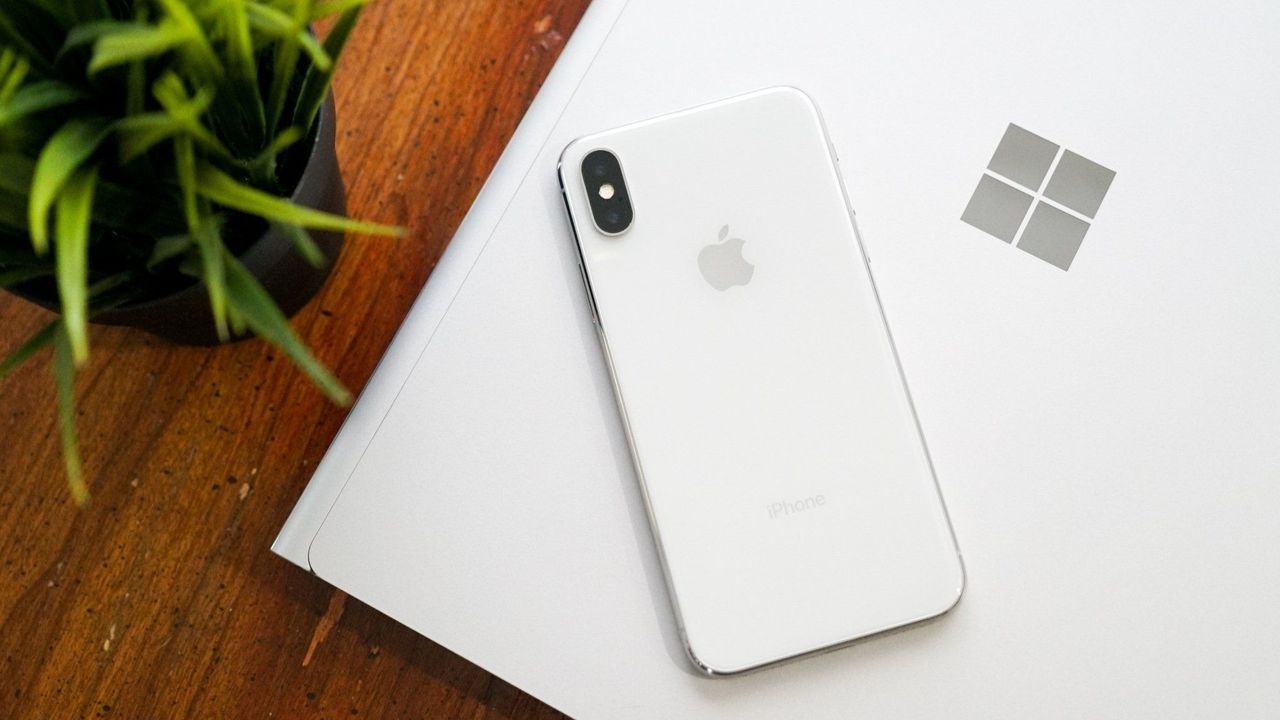
Bridging the Gap: How Apple and Microsoft Are Taming the Clipboard
We all operate across multiple devices daily, yet a fundamental piece of productivity—seamless cross-device copying and pasting—often remains locked behind platform silos. But what if the next generation of computing finally allowed your iPhone clipboard to talk directly to your Windows 11 PC clipboard?
The dream of truly unified digital interaction has officially entered the engineering pipeline. This ambitious feature is not just a nice-to-have; it was driven by a serious push for interoperability between operating systems, specifically requested by Microsoft under the framework of the European Union’s Digital Markets Act (DMA).
For years, users have lived with functional but clunky workflows. Currently, accessing an iPhone‘s clipboard is restrictive: applications can only retrieve its contents if they are actively running in the foreground. This limitation breaks the flow of work and requires repetitive actions just to move text between devices.
Microsoft argued that this cross-device copying capability is a foundational interaction that users expect to ‘just work’ across their primary devices. They envision a world where productivity flows naturally, eliminating the need for explicit, repeated gestures simply to transfer information.
To bridge this gap, Apple has agreed to pursue the integration. The solution involves leveraging existing frameworks like Accessory Notifications and Accessory Live Activities, which were introduced in iOS26.5. This approach will enable a system where items copied to the clipboard are automatically shared with paired accessories, facilitating a smooth transfer process.
Technically, this interoperability relies on Apple’s AccessorySetupKit, an API framework requiring careful authorization from both the connected Windows PC and the iOS device. This ensures that any exchange happens securely and explicitly across platform boundaries.
However, realizing this seamless experience requires significant engineering effort. Apple has categorized the task as a major undertaking, estimating that development will be complete by the fall of 2027 before beta testing begins.
While the vision is exciting, there are practical limitations to the rollout timeline and geography. Because expanding features across platforms often involves regional considerations, the feature may initially be limited to users within the European Union. This mirrors a strategy that Apple has sometimes employed when rolling out system-wide improvements.
Ultimately, this project represents more than just a technical update; it is a testament to the growing demand for truly unified ecosystems. As we move toward more interconnected technologies, the quest for effortless cross-platform synchronization will continue to redefine what ‘just working’ truly means in the digital age.
Buy on Amazon
Credit