OpenAI blasts Apple over confidential info theft lawsuit
The Great Tech Showdown: Apple, OpenAI, and the Battle for AI Hardware
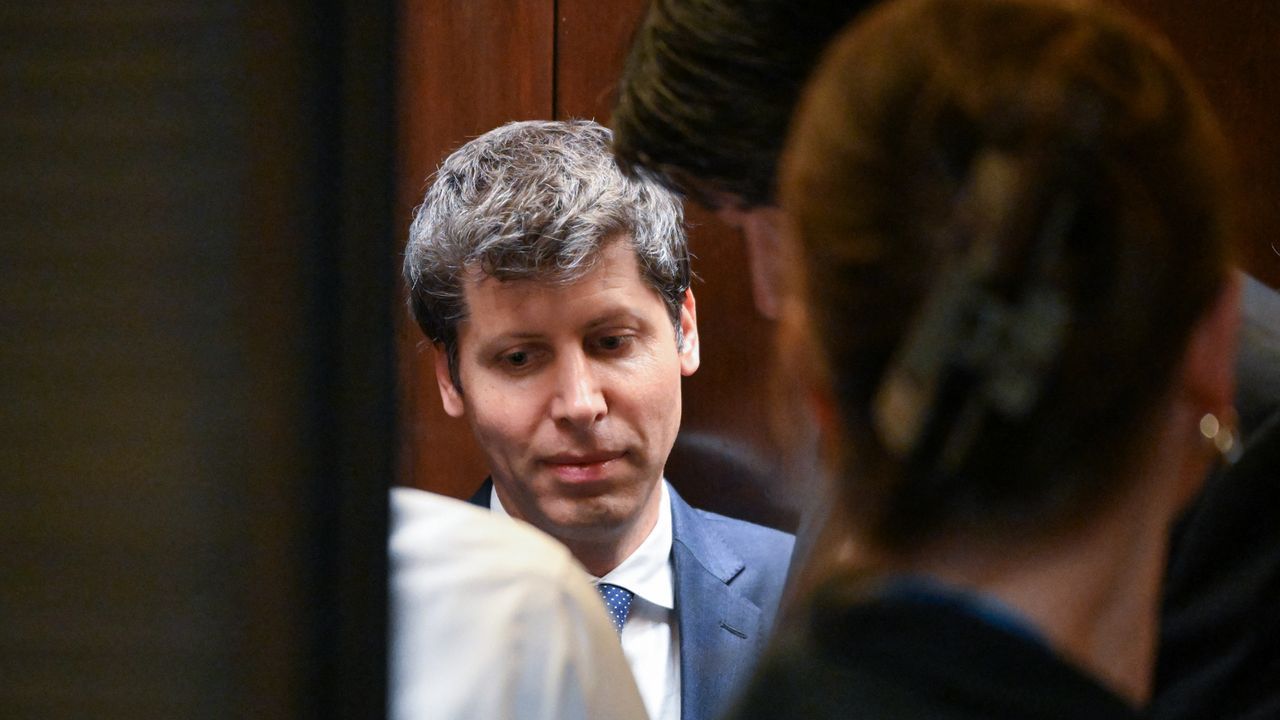
In a high-stakes legal battle that pits two of the world’s most influential technology giants against each other, a lawsuit has ignited over alleged trade secret theft. Apple has taken legal action against OpenAI, claiming the startup improperly acquired confidential information through former employees.
The core of the dispute involves claims made by Apple that OpenAI stole proprietary knowledge from former Apple staff during their tenure. The litigation specifically names individuals and entities, including former Apple senior electrical engineer Chang Liu and former vice president of product design Tang Tan, along with OpenAI and io Products.
Apple sought a preliminary injunction, demanding that the defendants cease accessing, using, or disclosing these alleged trade secrets, arguing that irreparable harm would occur without immediate action.
OpenAI did not shy away from the challenge, publicly responding to Apple’s request with a detailed blog post. The company argued that many of the allegations were founded on miscommunications and false information, dismissing the injunction as unnecessary.
Despite OpenAI’s vigorous defense, the legal motion serves as an early indicator of deeper tensions regarding intellectual property and the rapidly evolving landscape of artificial intelligence.
The context surrounding this lawsuit is further complicated by the growing ambition of AI to move beyond software and into physical hardware. While OpenAI is primarily known for its large language models like ChatGPT, there are persistent rumors that the company is actively developing its own AI-powered hardware solutions.
These rumored efforts focus on creating portable smart speakers equipped with advanced cameras and sensors. If realized, such a move would place significant pressure on Apple’s position as the undisputed leader in consumer electronics.
This dynamic is particularly relevant given how passionately AI enthusiasts favor systems built on Apple silicon and its Unified Memory architecture for cutting-edge performance. The potential for new hardware innovations threatens to reshape the competitive balance among tech titans.
The legal confrontation between Apple and OpenAI is more than just a dispute over past information; it is poised to become a defining chapter in the ongoing, epic showdown between these two behemoths. The outcome will likely have massive implications for how AI innovation intersects with proprietary technology and physical product development.
Credit