Chinese ship lurks over Taiwan-US undersea cables
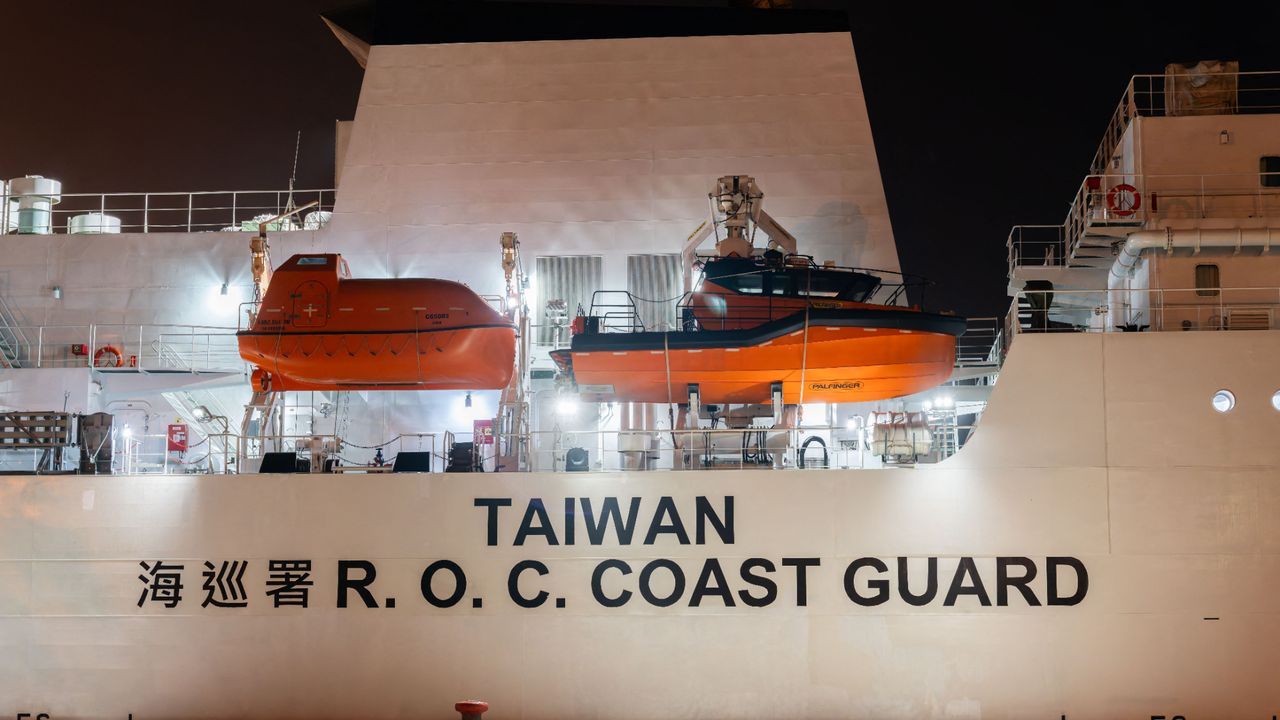
A shadow of suspicion hangs over critical global infrastructure, as a recent video has brought to light the complex and tense relationship between East Asia’s major powers and the vulnerability of undersea communication cables.
The footage captures a moment of high tension: Taiwan’s Coast Guard warned a 200-foot long Chinese-flagged research vessel to change course, having been observed “lurking over” what is understood to be a vital US-Taiwan undersea cable. This visual incident serves as a stark reminder that the digital highways connecting nations are increasingly viewed not just as conduits for data, but as potential battlegrounds in a broader geopolitical contest.
The specific cable under scrutiny is the 8,000-mile Pacific Light Cable Network (PLCN) fiber-optic system. This high-speed network acts as a crucial lifeline, linking Taiwan, the United States, and the Philippines. The route of this cable has itself become a flashpoint, complicated by American concerns regarding potential Chinese surveillance or sabotage. Interestingly, the original plans for connecting Hong Kong were altered due to these security fears.
While research vessels are typically seen as civilian entities, Beijing’s military-civil fusion policy complicates the distinction between military and commercial activity in disputed waters. Furthermore, the vessel involved has a history that stretches back into contested maritime zones, having been observed around the Paracel Islands and the Spratly Islands—territories claimed by multiple nations.
This incident highlights a growing concern over espionage and sabotage targeting global telecommunications infrastructure. Chinese-flagged vessels have previously been linked to various cable incidents in recent years, demonstrating a pattern of behavior that raises alarm among maritime analysts worldwide. These concerns are not confined merely to East Asia; reports of suspected sabotage and damage to cables have also surfaced in regions as far afield as the Baltic Sea and near Taiwan.
The geopolitical rivalry between China and Taiwan is intensified by the island’s dominant position in the global technology and semiconductor market, largely fueled by the success of TSMC. In this high-stakes environment, undersea cables represent more than just physical infrastructure; they are now recognized as vital strategic assets that could be targets for disruption or intelligence gathering aimed at undermining national security.
As nations increasingly rely on these deep-sea networks for everything from commerce to defense, securing the integrity and safety of these cables has become a paramount concern for global stability. The visual evidence points toward an ongoing dynamic where maritime activity in contested waters is inextricably linked to the security of international digital connections.
Buy on Amazon
Credit