
Saber CEO’s payback jab at Pitchford reveals Embracer truth
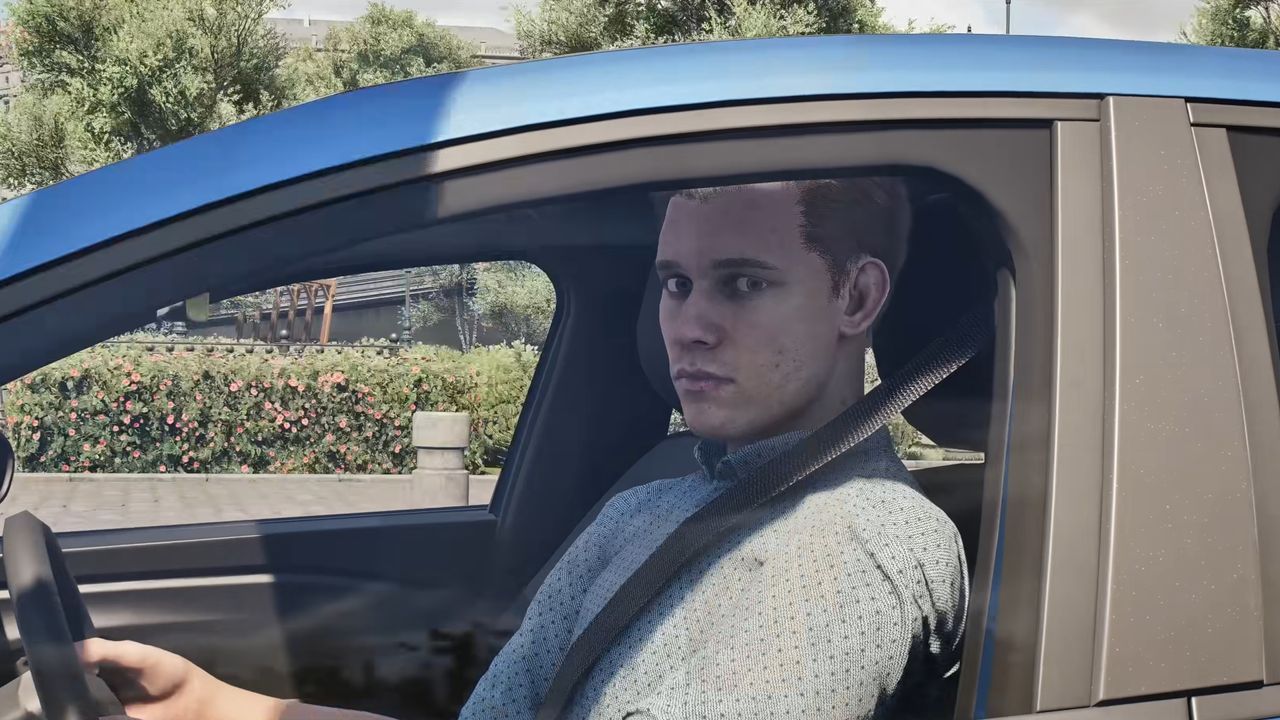
When you watch a game trailer, you expect spectacle, but sometimes, the real story is hidden in the details—the little inconsistencies that speak volumes. In Saber Interactive’s upcoming title, Rideshare Stimulator, the initial moments offer just that: a delightful dose of industry insider humor.
Midway through the trailer, as the narrator showcases some of the game’s unusual passengers, the scene shifts to an encounter that immediately catches the eye. The narrator notes meeting the “randiest” passenger, followed by someone “even stranger.” This setup immediately raises a humorous question about who these characters are and why they are in the ride.
These oddities aren’t accidental; they are intentional nods to the gaming world. One specific detail, a personalized Texas license plate reading USB DRV with an unusual gear symbol, sets the stage for the real punchline. This subtle visual gag is a direct reference aimed squarely at a figure in the industry.
This moment draws attention to Randy Pitchford, the boss of Gearbox, who has played a significant role in the history of game development and corporate acquisition. The humor stems from making light of his legend by implying a connection to more raunchy, unexpected scenarios than usually associated with him.
The context behind this jest is steeped in fascinating corporate history. Pitchford’s path through the gaming landscape involved significant shifts, most notably the acquisition of Gearbox by the Embracer Group in 2021 for a staggering sum. This transition was part of a larger restructuring that saw the studio and its assets eventually sold off to Take-Two.
The irony deepens when considering the trajectory of the entities involved. While these corporate moves were framed as amicable, they involved massive layoffs and asset sales. Later discussions about the lore surrounding related franchises have also played on this history. For instance, in subsequent narratives, references have been made that juxtapose the corporate turmoil with outlandish themes—a nod to a time when old structures were being dismantled.
The reflection of this complex history is evident in the broader discussion about legacy and loyalty. As industry leaders navigate these high-stakes financial maneuvers, the real lesson often lies not in the transactions themselves, but in how individuals manage their relationships with those who have built something great.
It is perhaps most telling when we consider the sentiment expressed by executives observing this history. The ease with which people forget those who dedicated themselves to a company’s success is a poignant reality of the business world. True legacy, as some suggest, resides in recognizing and honoring those who went above and beyond.
Buy on Amazon
Credit