
37 Arrests for Data Center Protests in 2026
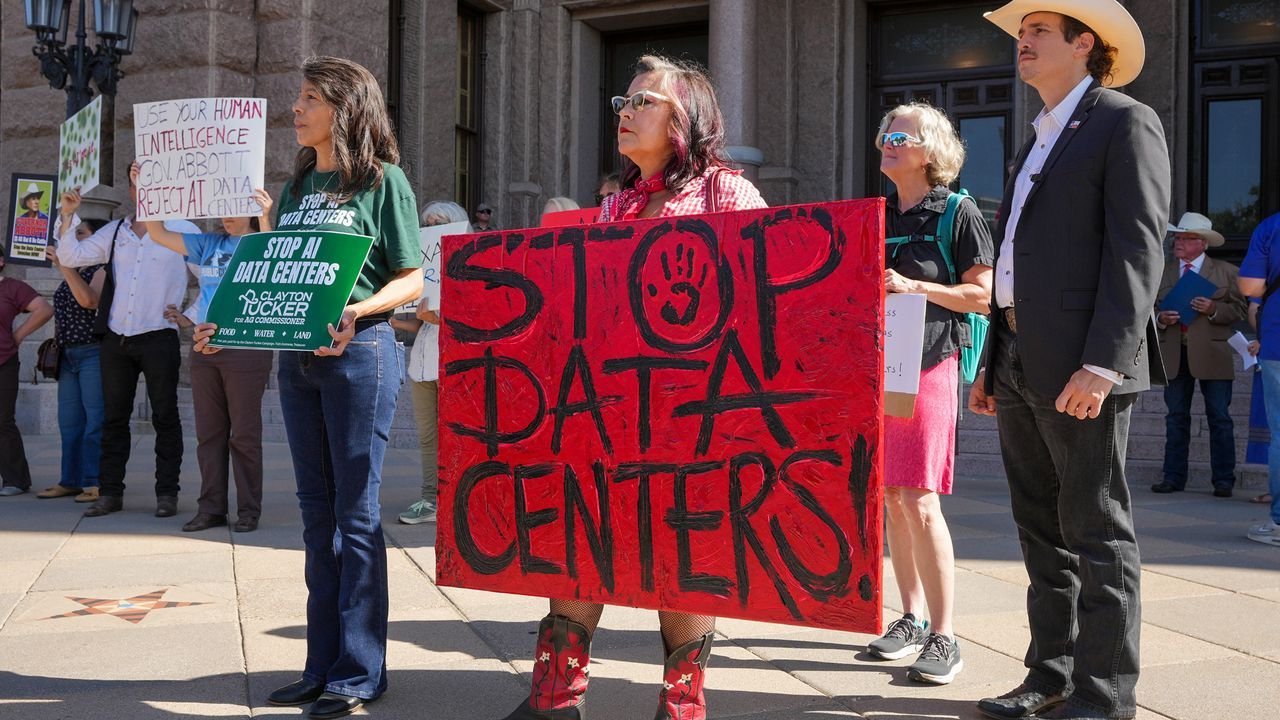
The boom of artificial intelligence and massive data storage requires an infrastructure that is rapidly expanding, but for many Americans, this progress comes with a heavy price tag—and increasingly, a fierce community battle. While technology giants are pouring resources into building sprawling data centers, the local resistance growing in the face of these developments is turning the spotlight firmly onto the tension between innovation and residential quality of life.
In many areas, the passionate pushback against placing massive AI infrastructure near homes has escalated, with some communities finding themselves grappling with whether to prioritize economic opportunity or environmental safety. Despite this widespread opposition, some local governments remain committed to these projects, viewing them as potential sources of necessary investment and job creation.
This conflict between developers and residents has unfortunately spilled into public demonstrations. The peaceful resistance has led to arrests, highlighting the intensity of the opposition. In 2024 alone, reports indicate that thirty-seven regular people have been arrested in connection with protests against nearby AI data center projects, underscoring how deeply this issue is resonating across the nation.
The faces involved in these demonstrations reflect a diverse cross-section of society. Arrests have included individuals from various walks of life—including farmers and teachers—who stood firm in their opposition to developments they felt threatened their communities.
The stakes for this fight extend far beyond simple inconvenience. Data center expansion brings significant environmental concerns that are being fiercely debated. Issues like massive increases in electricity costs, potential negative impacts on local water quality, and constant noise pollution from 24/7 operations are central to community grievances.
Beyond the immediate physical conflicts, the policy response has been complex. Federal efforts, such as the “ratepayer protection pledge,” aim to mitigate some of these impacts by involving utility companies and data center operators in cost-sharing. However, critics argue that without stronger legal enforcement, these promises remain merely aspirational.
This push for accountability is finding traction at the local level. Several jurisdictions are seizing opportunities to slow or halt construction through moratoriums and studies. For example, multiple Tennessee counties have enacted temporary bans, while cities like Seattle, Washington, and New York, New York, have passed one-year moratoriums or bans on certain data center projects to allow for thorough community impact assessments.
Even when developers push forward, local communities are fighting back with specific demands. One town in Pennsylvania, for instance, put forth forty-three specific requirements for a proposed facility, which the developer reportedly dismissed as too difficult to meet—a clear example of grassroots power challenging corporate timelines.
The story of the data center debate is ultimately a reflection of a larger struggle: balancing the demands of technological advancement with the fundamental rights and well-being of the communities where that progress takes place. As the industry continues its rapid buildout, these local fights serve as vital reminders that infrastructure development must be guided by community consent, not just corporate ambition.
Buy on Amazon
Credit

